
FAQ
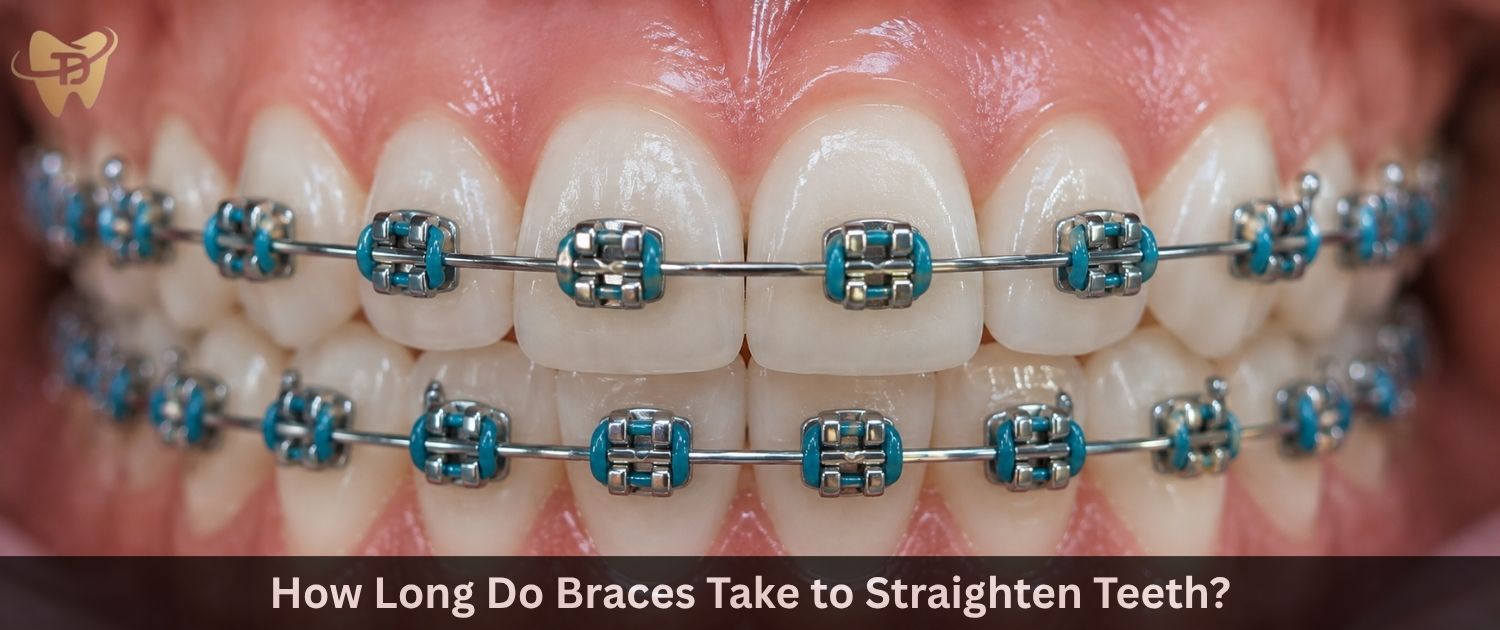
Braces usually take around 12 to 24 months. Mild cases may finish sooner while severe crowding or bite problems can take longer. Your exact timeline depends on your teeth and treatment plan.
Braces can make teeth much straighter and improve your bite. However perfect alignment depends on your tooth shape and jaw position. Your orthodontist focuses on a healthy and stable result rather than only appearance.
For many people day 2 or day 3 feels the most uncomfortable. Your teeth may feel sore as they start responding to pressure. This usually improves within a few days.
No. Age 25 is not too late for braces. Adults can get successful orthodontic treatment as long as their teeth and gums are healthy.
Braces usually cause pressure and tenderness rather than sharp pain. The first few days can feel uncomfortable. Soft foods and simple pain relief often make this stage easier.
Yes. Teeth can still shift years after braces. This is why wearing your retainer as advised is important for keeping your teeth in their new position.
You may not stop the soreness instantly. However a cold drink and soft food can help. Orthodontic wax may protect sore cheeks. Over-the-counter pain relief can also help when used as directed.
Yes. Lightly touching your braces with your tongue is usually harmless. Avoid pushing or playing with wires because this can irritate your mouth or damage the appliance.
A small amount of tooth movement can feel normal during braces treatment. Your teeth need to loosen slightly as they move through the bone. Contact your orthodontist if a tooth feels very loose or painful.
Braces are often adjusted every 4 to 8 weeks. That usually means several visits each year. Your exact schedule depends on your treatment stage and the type of braces you wear.