
Retainers After Braces: Types, How Long to Wear Them and How to Look After Them
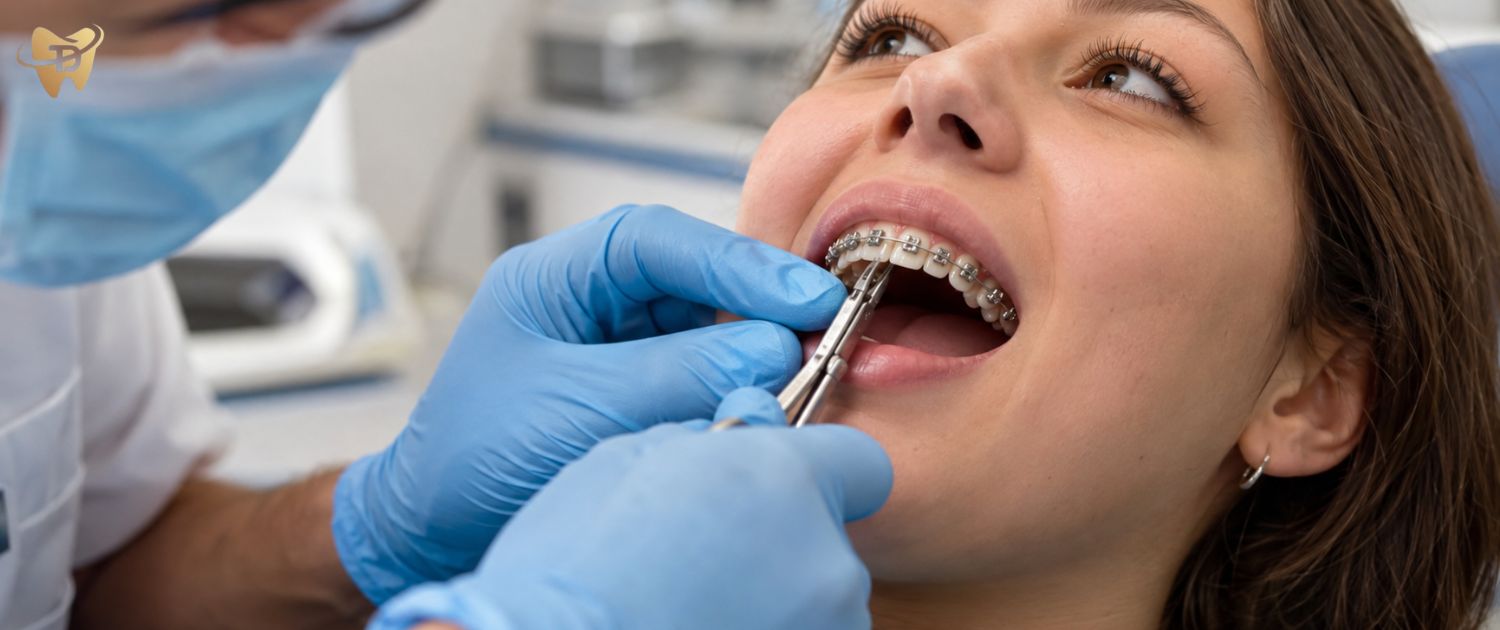
Getting your braces removed is an exciting moment. After months or years of orthodontic treatment you finally see your straight teeth and improved smile. But the treatment does not completely finish when braces come off. The next step is wearing retainers after braces to protect your new teeth alignment.
A retainer is an important part of orthodontic treatment because teeth can naturally move back toward their old position. This movement is called orthodontic relapse. Wearing the right retainer helps maintain your orthodontic results and keeps your smile straight for a long time.
At The Dentist our orthodontic team focuses on long term smile care. We guide patients about the right type of retainer after braces and provide proper instructions for wearing and maintaining their dental appliance.
This complete guide explains the types of retainers after braces how long you need to wear them how to clean them and how to protect your teeth after braces removal.
What Is The Purpose Of A Retainer?
A retainer is a custom made dental appliance that holds your teeth in their corrected position after orthodontic treatment. During braces treatment your teeth slowly move into a new position. After braces removal the teeth and surrounding tissues need time to adjust.
A retainer supports the teeth during the retention phase and helps prevent teeth shifting.
The main purposes of orthodontic retainers include:
- Maintaining straight teeth after braces
- Preventing teeth from moving back
- Protecting your final bite
- Supporting long term orthodontic results
- Keeping the upper arch and lower arch properly aligned
Without proper retention some patients may notice small changes in their teeth alignment over time. This is why wearing a retainer after braces is an important part of successful orthodontic treatment.
What Are The Different Kinds Of Retainers To Get After Braces?
There are different types of retainers after braces available. Your orthodontist chooses a retainer based on your dental condition your treatment results and your lifestyle.
The most common orthodontic retainers include:
- Fixed or bonded retainers
- Clear retainers or vacuum formed retainers
- Hawley retainers
Each type has its own benefits and limitations.
1. Fixed (Bonded) Retainers
A fixed retainer also called a bonded retainer or permanent retainer is a thin wire attached behind your teeth using dental bonding material.
It is usually placed behind the front teeth where it remains in position for several years or sometimes longer.
Fixed retainers are commonly used because they provide continuous support without requiring daily removal.
Benefits of Fixed Retainers
- They work all the time
- You do not need to remember wearing them
- They are hidden behind the teeth
- They help prevent movement in teeth that are more likely to shift
Things To Consider With Fixed Retainers
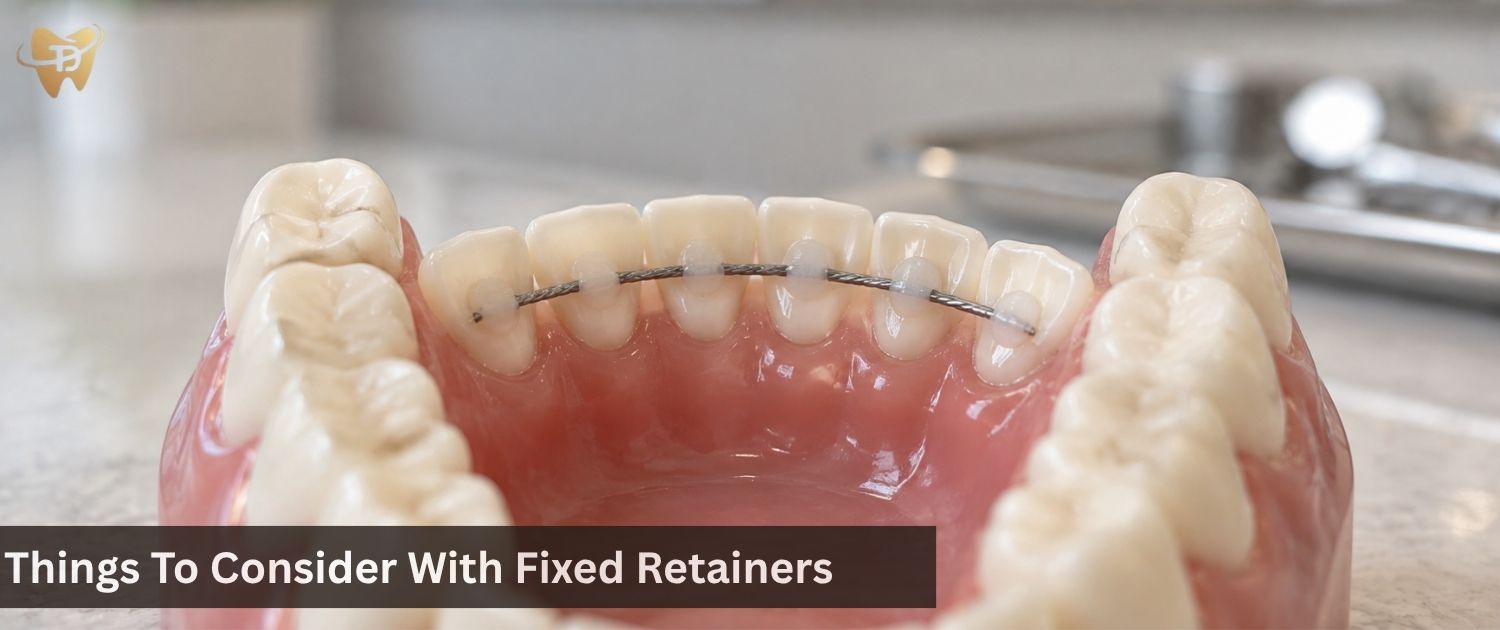
Because the wire stays attached to your teeth you need good oral hygiene. Food particles and plaque can collect around the wire if cleaning is not done properly.
Your dentist may recommend:
- Careful brushing around the wire
- Flossing with special floss tools
- Regular dental checkups
A fixed retainer is a good option for patients who need extra support for long term teeth retention after braces.
2. Vacuum Formed Clear Retainers
A clear retainer also known as a vacuum formed retainer (VFR retainer) is a transparent removable appliance made from medical grade plastic.
These retainers fit closely over your teeth and are popular because they are almost invisible.
Benefits of Clear Retainers After Braces
- They look natural
- They are comfortable for many patients
- They are easy to remove
- They allow easy cleaning
Many patients prefer clear retainers because they do not affect appearance while speaking or smiling.
Limitations Of Clear Retainers
Clear retainers need proper care because they can become damaged with heat or improper cleaning.
Avoid:
- Washing them with hot water
- Biting hard objects while wearing them
- Leaving them outside their storage case
Regular retainer maintenance helps increase their lifespan.
3. Hawley Retainers
A Hawley retainer is a traditional removable retainer made with an acrylic base and a metal wire that sits around the teeth.
It has been used in orthodontics for many years and is still a reliable option for many patients.
Benefits Of Hawley Retainers
- Strong and durable
- Easy to adjust by an orthodontist
- Long lasting with proper care
- Allows some customization
Limitations Of Hawley Retainers
- More visible compared to clear retainers
- Some patients need time to get used to speaking with them
Your orthodontist will explain whether a Hawley retainer is suitable based on your teeth movement and treatment goals.
Types Of Retainers After Braces Comparison
Retainer Type | Main Features | Best For |
Fixed Retainer | Wire bonded behind teeth | Patients needing continuous support |
Clear Retainer | Transparent removable plastic | Patients who prefer an invisible option |
| Hawley Retainer | Acrylic and wire design | Patients looking for a strong removable option |
What Is The Basis For The Selection Of The Type Of Retainer?
Choosing the right orthodontic retainer depends on different factors. There is no single retainer that is perfect for every patient.
Your orthodontist may consider:
Teeth Movement During Treatment
Patients who had severe crowding spacing or major tooth movement may need stronger retention support.
Final Bite
Your final bite and how your upper and lower teeth meet can influence the retainer choice.
Risk Of Teeth Shifting
Some teeth naturally have a higher chance of movement after braces. A fixed retainer may be recommended in these cases.Lifestyle
Some patients prefer removable retainers because they are easy to clean. Others prefer fixed retainers because they do not require daily remembering.Oral Hygiene Routine
Patients with difficulty cleaning around wires may be better suited for removable options.
A proper retainer fitting by an experienced orthodontist helps protect your smile after braces.
Fixed vs Removable Retainers: Which Are Better?
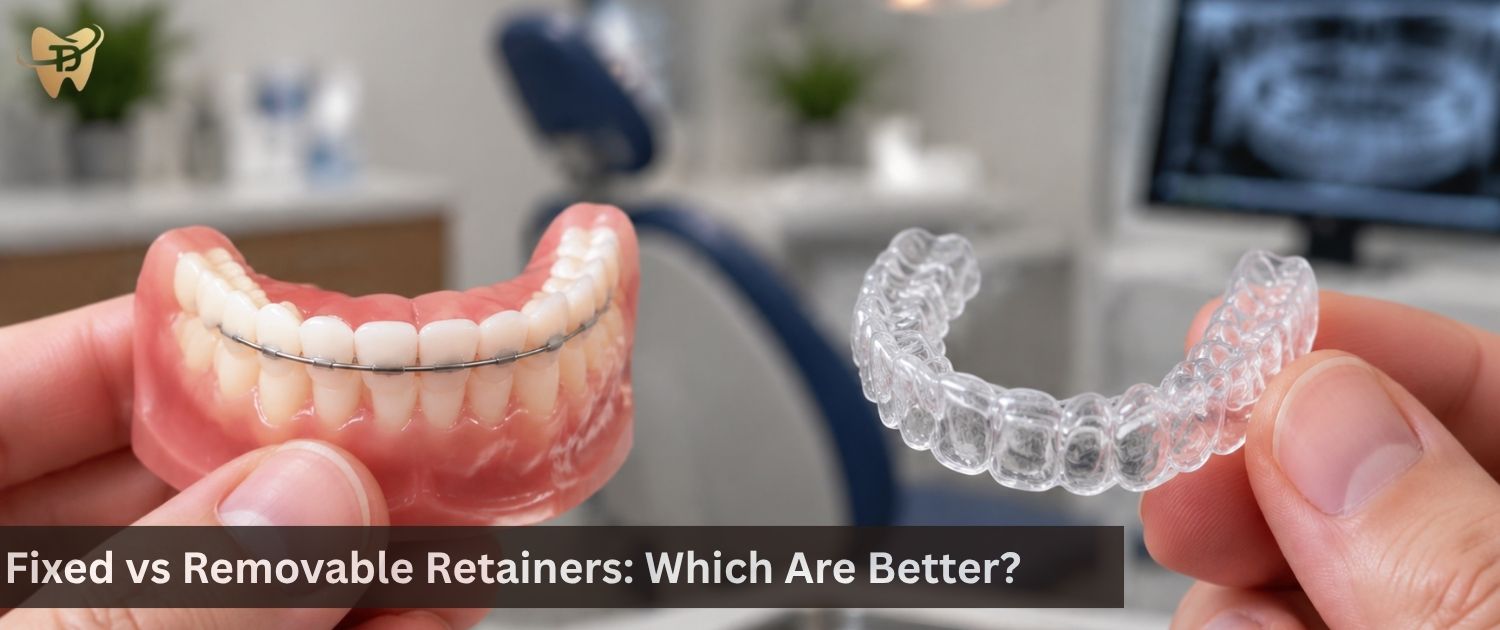
Both fixed and removable retainers can maintain teeth alignment when used correctly. The better option depends on your dental needs and your ability to follow the recommended retainer wear schedule
Feature | Fixed Retainer | Removable Retainer |
Wearing | Always stays attached | Worn according to instructions |
Cleaning | Needs careful cleaning around wire | Easy to remove and clean |
| Visibility | Hidden behind teeth | Clear options are less noticeable |
Convenience | No daily reminder needed | Requires patient cooperation |
| Replacement | May need repair if wire breaks | Usually replaced after wear and damage |
.
Your orthodontist will recommend the option that gives the best protection for your orthodontic results.
How Long Do You Wear a Retainer After Braces?
One of the most common questions patients ask after braces removal is how long do you wear retainers after braces?
The answer depends on your teeth condition your orthodontic treatment and how your teeth respond after braces. Teeth are held in place by gums and surrounding tissues. After braces are removed these tissues need time to adapt to the corrected position.
Most orthodontists recommend wearing retainers regularly during the first months after treatment. After this period many patients continue wearing their retainer at night to maintain their straight teeth.
A common retainer wear schedule looks like this:
Time After Braces Removal | Retainer Wearing Schedule |
First few months | Full time wear except while eating and brushing |
After initial adjustment period | Night time wear is often recommended |
Long term | Regular night wear may be needed to prevent teeth shifting |
Your orthodontist will provide instructions based on your teeth alignment and treatment results.
Remember that orthodontic retention is a long term process. Wearing your retainer helps protect the smile you worked hard to achieve.
Can You Wear A Retainer Only At Night?
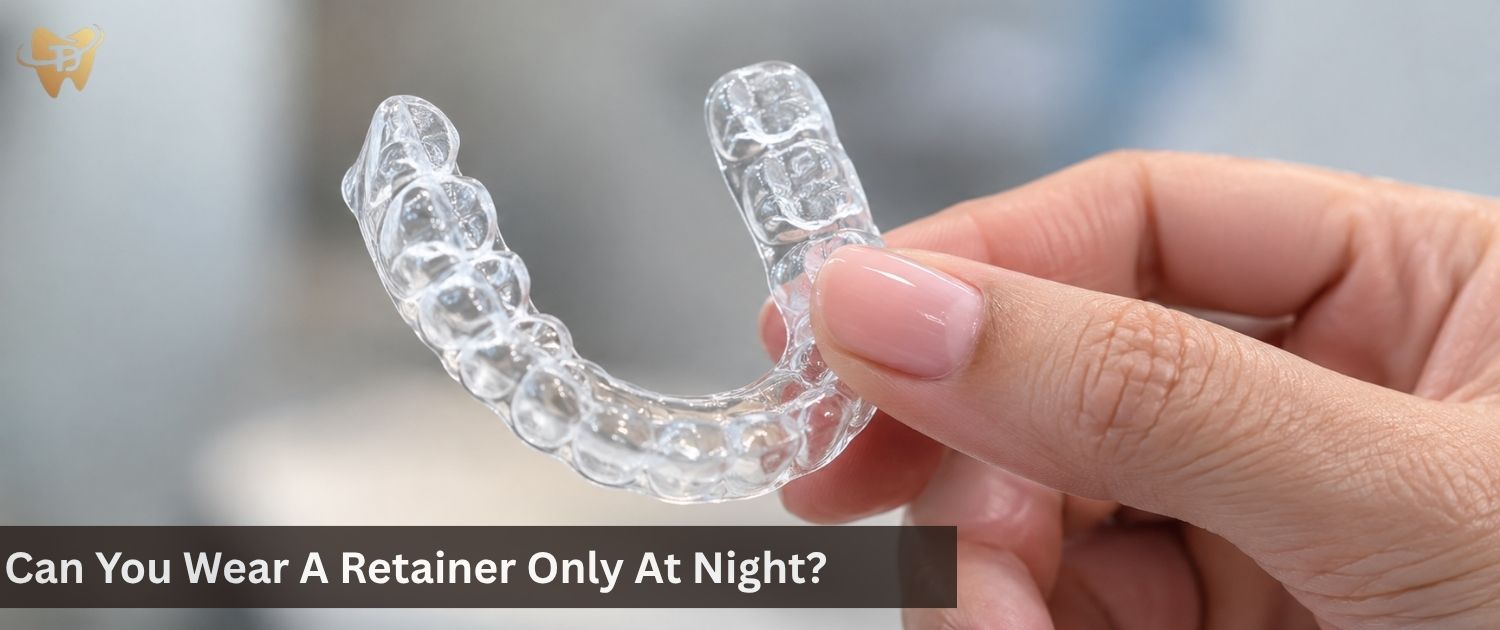
Many patients ask if they can wear a retainer only at night. In many cases yes but it depends on your orthodontist’s advice.
Night time retainer wear is usually recommended after your teeth have become stable. It helps maintain your corrected position and reduces the chance of orthodontic relapse.
However wearing a retainer only at night immediately after braces removal may not provide enough support for some patients.
You should follow your dentist’s retainer instructions because every smile has different needs.
Do Retainers Hurt? What To Expect When You First Get One
A new retainer may feel unusual during the first few days. Some patients experience mild pressure or tightness.
This feeling is usually normal because the retainer is helping your teeth stay in their new position.
Common experiences include:
- Mild pressure on teeth
- Extra saliva production
- Slight difficulty speaking at first
- Feeling of tightness when putting the retainer in
These feelings usually improve as your mouth adjusts.
A retainer should not cause severe pain. If your retainer feels very uncomfortable does not fit properly or causes injury you should visit your orthodontist for a retainer fitting check.
How To Wear Retainers After Braces
Proper wearing habits help your retainer work effectively.
Follow these simple steps:
Wear Your Retainer As Directed
Follow the retainer wear schedule given by your orthodontist. Skipping days can allow teeth to move.
Keep Your Retainer In Its Case
When you remove your retainer always place it in a storage case. Many retainers get damaged or lost when they are wrapped in tissues or left in open areas.Remove It Before Eating
Most removable retainers should be removed before eating because chewing can damage the appliance.Handle It Carefully
Hold your retainer gently when removing it. Avoid bending or forcing the plastic or wire.Attend Dental Checkups
Regular checkups help your orthodontist monitor your teeth retention and retainer condition.
How To Clean And Care For Your Retainer
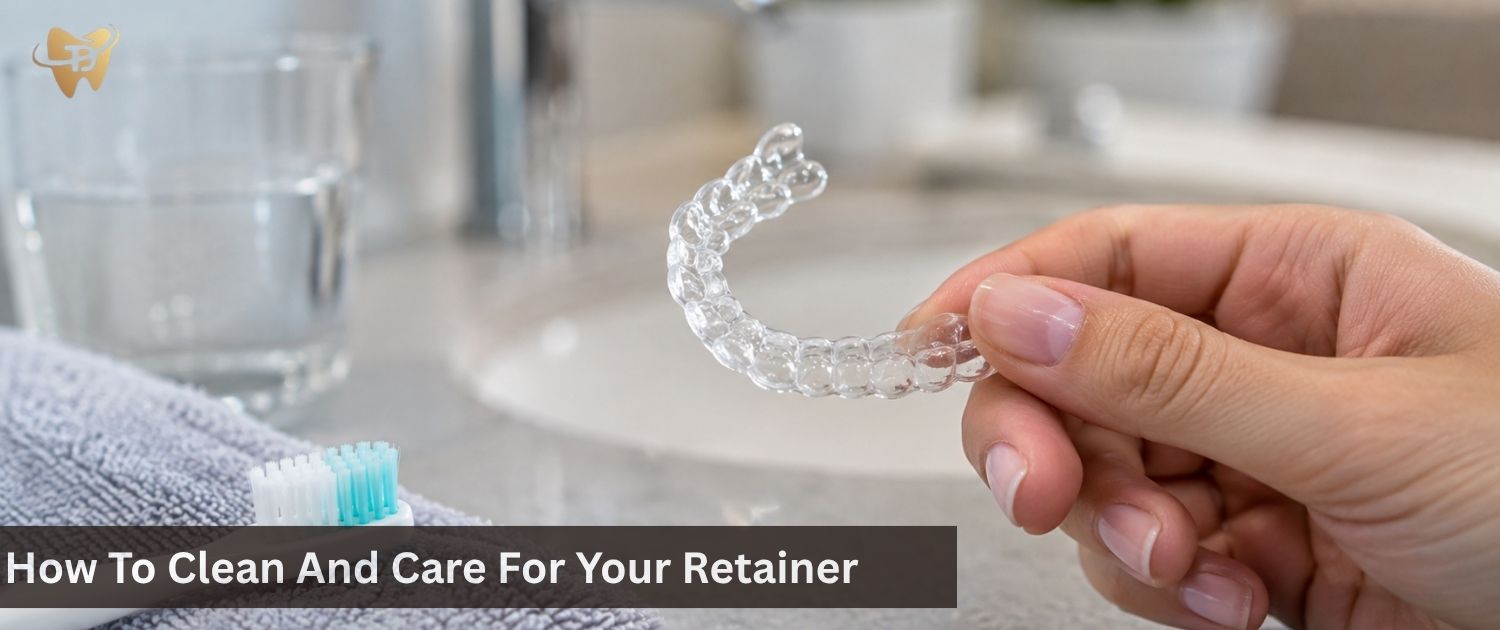
Good retainer care is important for your oral health. A dirty retainer can collect bacteria plaque buildup and develop an unpleasant smell.
Proper retainer cleaning helps protect your teeth and increases the life of your appliance.
Removable Retainers: Daily Cleaning Routine
Follow these steps for daily retainer maintenance:
Clean Your Retainer Every Day
Rinse your retainer with normal water after removing it. This prevents saliva and bacteria from drying on the surface.
1.Use A Soft Toothbrush
Gently brush your retainer with a soft toothbrush. Avoid using harsh toothpaste because it can scratch clear retainers.
2.Avoid Hot Water
Hot water can change the shape of plastic retainers and affect their fitting.
3.Store It Properly
Keep your retainer inside its case when you are not wearing it.
4.Use Cleaning Products When Needed
Your dentist may recommend special retainer cleaning tablets for deeper cleaning.
Why Does A Retainer Smell?
A common concern is:
Why my retainer is smelly?
A retainer can develop a bad smell because of bacteria saliva and plaque buildup. When a retainer is not cleaned regularly bacteria can grow on its surface.
Common reasons for a smelly retainer include:
- Poor cleaning routine
- Wearing the retainer without brushing teeth
- Leaving it wet in a closed case
- Using the same retainer for too long
To remove retainer smell:
- Clean it daily
- Rinse it after use
- Use orthodontic cleaning products
- Keep the storage case clean
- Visit your dentist if the smell continues
A clean retainer supports good oral hygiene and helps maintain your orthodontic results.
Fixed Retainers: Cleaning Around The Wire
Cleaning around a fixed retainer requires extra attention because the wire is attached behind your teeth.
Plaque and food particles can collect around the bonded retainer if cleaning is not done properly.
Helpful cleaning methods include:
- Brush carefully around the wire
- Use floss threaders or special floss tools
- Maintain regular dental checkups
- Follow your dentist’s oral hygiene advice
Good cleaning prevents plaque buildup and keeps your teeth healthy during long term retention.
How Long Do Retainers Last And When Do They Need Replacing?
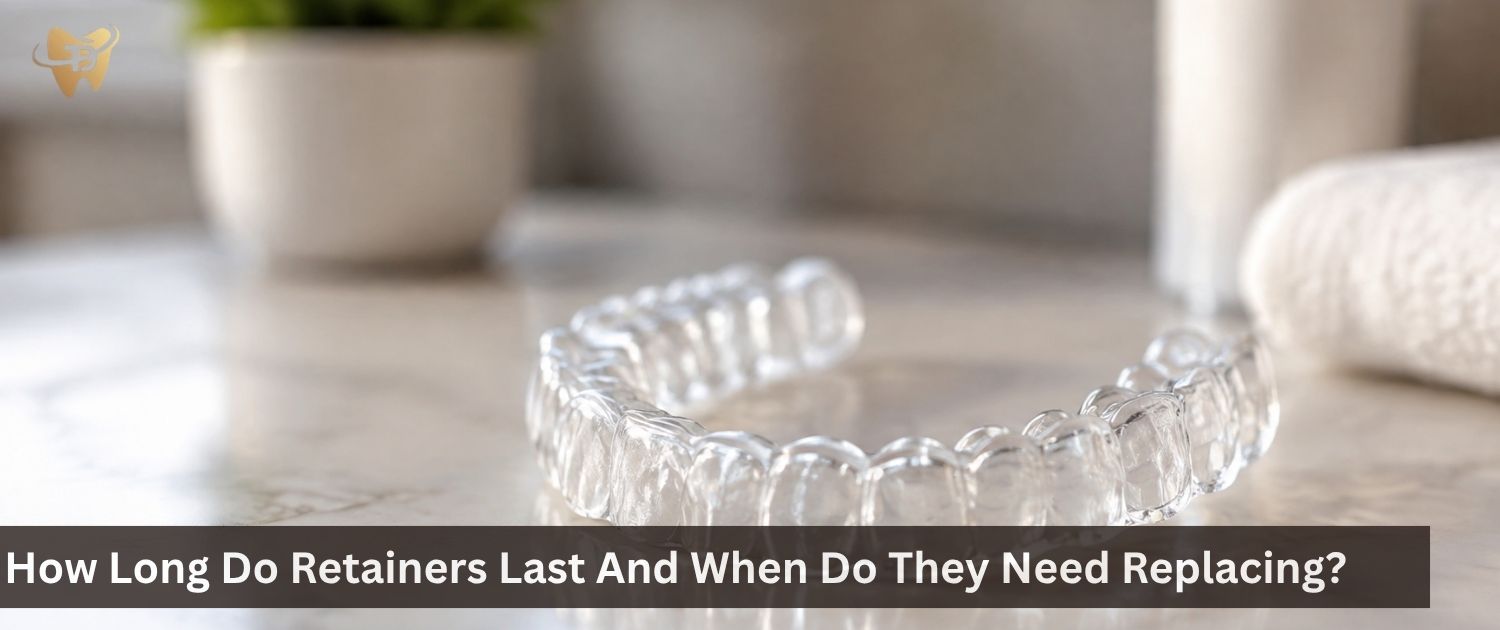
The lifespan of a retainer depends on the type of retainer and how well you care for it.
Retainer Type | Average Lifespan |
Clear Retainer | Usually needs replacement after regular wear and tear |
| Hawley Retainer | Can last several years with proper care |
Fixed Retainer | Can last many years but may need repair if damaged |
You may need a replacement retainer if:
- It becomes cracked
- It no longer fits properly
- It feels loose
- It becomes damaged
- Your teeth start shifting
Regular orthodontic checkups help identify problems early.
Retainer Reviews: What Happens At A Check-Up?
A retainer checkup helps your orthodontist make sure your teeth are staying in the correct position.
During a visit your dentist may:
- Check your teeth alignment
- Examine your bite
- Check retainer fitting
- Look for signs of teeth shifting
- Adjust or replace the retainer if needed
These visits are important because early changes can often be managed easily.
How Much Do Retainers Cost In Pakistan?
The cost of retainers in Pakistan depends on:
- Type of retainer
- Material quality
- Dental clinic
- Orthodontist experience
- Treatment requirements
Generally:
Retainer Type | Estimated Cost Range In Pakistan |
Clear Retainer | Depends on clinic and material |
Hawley Retainer | Depends on design and dental requirements |
Fixed Retainer | Depends on wire type and placement |
For accurate pricing you should visit a dental clinic because the cost varies for every patient.
Conclusion
Braces can help create a beautiful straight smile but maintaining the results requires proper care after treatment. Retainers after braces play an important role in preventing teeth shifting and protecting your orthodontic results.
Whether you need a fixed retainer a clear retainer or a Hawley retainer your orthodontist can guide you according to your dental needs.
Following your retainer wear schedule keeping your appliance clean and attending regular dental checkups can help you enjoy healthy teeth alignment for many years.
If you are looking for professional retainer fitting and orthodontic guidance in Lahore The Dentist in DHA Phase 8 Lahore provides personalized dental care to help patients maintain their smiles after braces.