
How Do Clear Aligners Work? A Step-by-Step Guide to the Clear Aligner Process and Teeth Movement

A straighter smile does not always require metal braces. How do clear aligners work to move teeth into better positions? These thin removable trays fit closely over your teeth and apply gentle pressure in planned areas. Each new set makes a small change that gradually guides your teeth toward proper alignment.
Your dentist first checks your teeth and creates a digital treatment plan. Custom aligner trays then move selected teeth step by step. At The Dentist in DHA Phase 8 Lahore we work with ClearPath Aligners to provide carefully planned teeth straightening based on your smile needs. This approach makes treatment discreet and convenient.
What Are Clear Aligners and How Do They Straighten Teeth?
Think of aligners as a roadmap for teeth straightening. Each tray fits closely around your teeth and encourages selected teeth to shift. Unlike traditional braces they have no visible brackets and wires. You can also remove them for meals and daily oral care.
The science behind clear aligner therapy involves controlled pressure and biological change. Gentle force affects the tissues supporting each tooth. Bone gradually remodels around the moving root. This allows gradual repositioning while protecting the surrounding teeth and gums when treatment is professionally planned.
What Is the Clear Aligner Therapy Timeline?
The clear aligner timeline begins before you receive your first tray. Your dentist examines your mouth and records your current teeth alignment. Digital planning then maps the intended movements. After your trays arrive you begin wearing each set according to your prescribed schedule.
Treatment length differs from person to person. Mild spacing may need less time than complex crowding or bite correction. Your orthodontic treatment may also take longer if trays are not worn as directed. Regular reviews help your dentist keep the planned treatment stages moving in the right direction.
Treatment stage | What usually happens |
Consultation | Teeth bite and oral health are assessed |
Digital planning | A 3D scan creates a detailed digital model |
Fabrication | Your custom aligners are produced |
Active treatment | Different aligner sets guide the teeth |
Monitoring | Progress and tray fit are checked |
Refinement | Extra trays may be prescribed when needed |
Retention | A retainer helps maintain the final position |
How Do Aligner Trays Gradually Move Teeth?
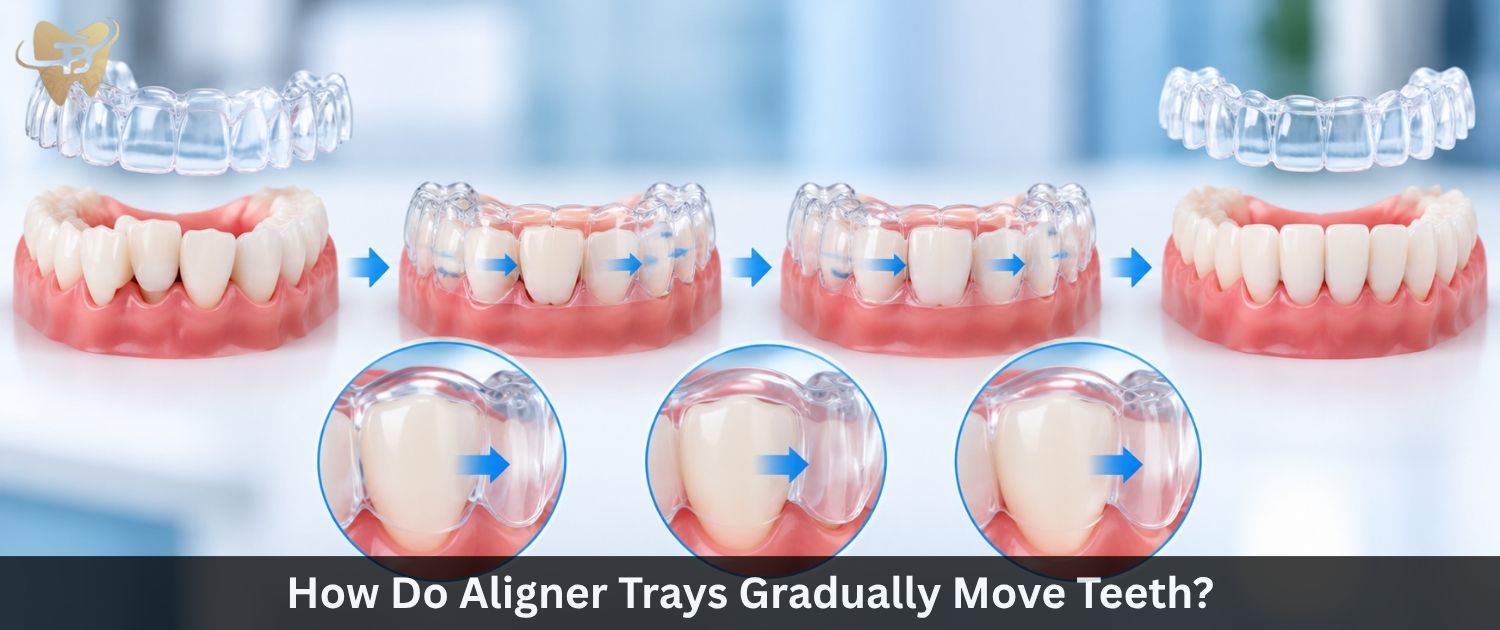
Here is where the process becomes interesting. Your aligner trays do not simply squeeze every tooth inward. Each tray targets planned movements. Carefully directed force encourages incremental movement in specific teeth while other teeth may remain more stable during that particular treatment stage.
Underneath the gums a biological process supports teeth repositioning. Bone breaks down in tiny amounts where movement needs space. New bone develops on the opposite side. This remodeling makes orthodontic correction possible. It also explains why teeth need time rather than being forced into place quickly.
What Happens During the Initial Consultation and 3D Scanning?
Your first appointment builds the foundation for everything that follows. At The Dentist in DHA Phase 8 Lahore your dentist assesses your bite crowding spacing and overall dental health. Existing cavities or gum problems may need attention before active clear aligner treatment begins.
Next comes digital planning. A 3D scan / digital impression can capture the shape and position of your teeth without relying on conventional putty impressions in many cases. This digital model helps plan the clear aligner process and shows how selected teeth may move during different stages.
How Does Your Lahore Dentist Assess Suitability for Clear Aligners?
Not every crooked tooth needs the same solution. Your dentist first studies your teeth and gums along with your bite and available space. Crowding gaps rotations and bite relationships all matter. The roots and supporting tissues also need enough health to tolerate planned tooth movement safely.
Your daily habits matter too. Because invisible aligners are removable they require discipline. You need to wear them according to your dentist’s instructions. More complicated cases may require different orthodontics techniques or additional procedures. A detailed examination helps determine whether aligners suit your particular smile.
What Is the Role of 3D Scanning in Custom Aligner Fabrication?
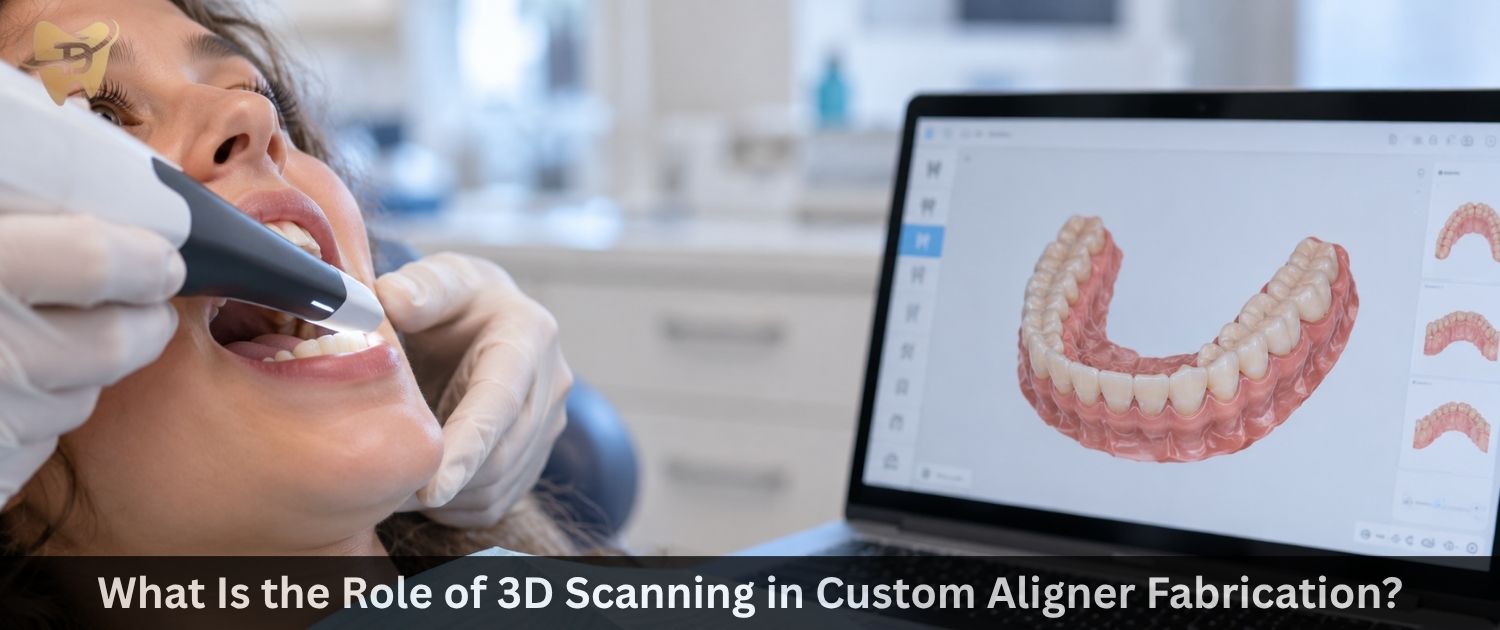
Digital scanning gives treatment planning a detailed starting point. The scanner captures many views of your teeth and combines them into a digital model. Your dental team can then study tooth positions and plan teeth alignment changes with greater precision before the physical trays are produced.
This technology also helps divide treatment into smaller treatment stages. Instead of asking one tray to make a large correction the plan uses controlled incremental movement. The digital simulation provides a treatment roadmap. However real biological response can differ. Regular clinical monitoring therefore remains important.
How Are Custom Aligner Trays Fabricated and Delivered?
Once the digital plan is approved your custom aligners are created to represent different stages of treatment. Each tray differs slightly from the previous one. These small differences create the controlled pressure needed for gradual repositioning as you progress through the prescribed sequence.
At The Dentist we work with ClearPath Aligners for suitable cases. When your aligner sets are ready your dentist checks the initial fit and explains daily use. Some teeth may need small tooth-colored attachments. These provide extra grip when a particular movement needs more precise control.
What Materials and Technology Are Used to Create Aligner Trays?
Modern trays use specialized thermoplastic material designed to fit closely around teeth. Digital models guide the tray shape for each stage. Depending on the aligner system manufacturing may involve thermoforming and digital production methods. The goal is a close fit that delivers controlled force without bulky metal components.
How Does the Fabrication Process Ensure Effective Teeth Movement?
Effective fabrication starts with accurate records. Each tray reflects a planned stage of tooth movement rather than a random change in shape. Precise edges fit and attachment areas help the tray engage selected teeth. This staged design supports predictable teeth repositioning when the patient follows the prescribed wear schedule.
How Should Patients Wear and Change Aligner Trays?
Consistency makes a major difference. You should wear aligner trays for the daily duration prescribed by your dentist and remove them as instructed for eating and oral hygiene. Before putting them back you should keep your teeth clean. Good habits protect dental health throughout treatment.
Missing too much wear time can interrupt the clear aligner process. A new tray expects your teeth to have reached a certain position. If they have not moved enough the next tray may fit poorly. Following the prescribed schedule helps each stage connect smoothly with the next.
What Is the Recommended Aligner Tray Replacement Schedule?
There is no universal replacement schedule for every patient. Your dentist chooses the interval according to your treatment plan and response. Never jump to a new tray simply because the current one feels loose. Changing aligner sets too early can interfere with planned orthodontic correction.
Are Clear Aligners Comfortable and Painful During Treatment?

A new tray can create pressure or mild tenderness for a short period. That sensation often reflects active tooth movement. However severe or persistent pain deserves professional attention. Compared with brackets and wires many people appreciate the smooth surface and removable design of modern aligners.
How Is Teeth Movement Monitored and Adjusted Throughout Treatment?
Teeth do not always behave exactly like a computer simulation. During follow-up visits your dentist checks tray fit and actual teeth alignment. A tray that seats properly usually indicates better tracking. Poor fit may signal that certain teeth have not followed the intended treatment stages.
When progress differs from the plan the treatment can sometimes be adjusted. Your dentist may recommend another scan or refinement trays. Attachments may also require changes. This flexibility helps keep clear aligner therapy focused on your actual response rather than relying only on the original digital prediction.
What Follow-Up Procedures Does Your Lahore Dentist Provide?
Follow-up appointments allow your dentist to examine tracking attachments oral hygiene and overall dental health. At The Dentist in DHA Phase 8 Lahore these reviews also provide an opportunity to discuss discomfort or fitting concerns. Close monitoring helps your orthodontic treatment remain responsive as your smile changes.
How Are Treatment Stages Evaluated and Modified if Needed?
Progress is judged by comparing your current tooth positions with the planned stage. If a tooth stops tracking the dentist can investigate why. A fresh digital impression may sometimes support a revised plan. Additional trays can then refine the remaining orthodontic correction instead of forcing an unsuitable tray.
What Happens After Clear Aligner Treatment Is Completed?
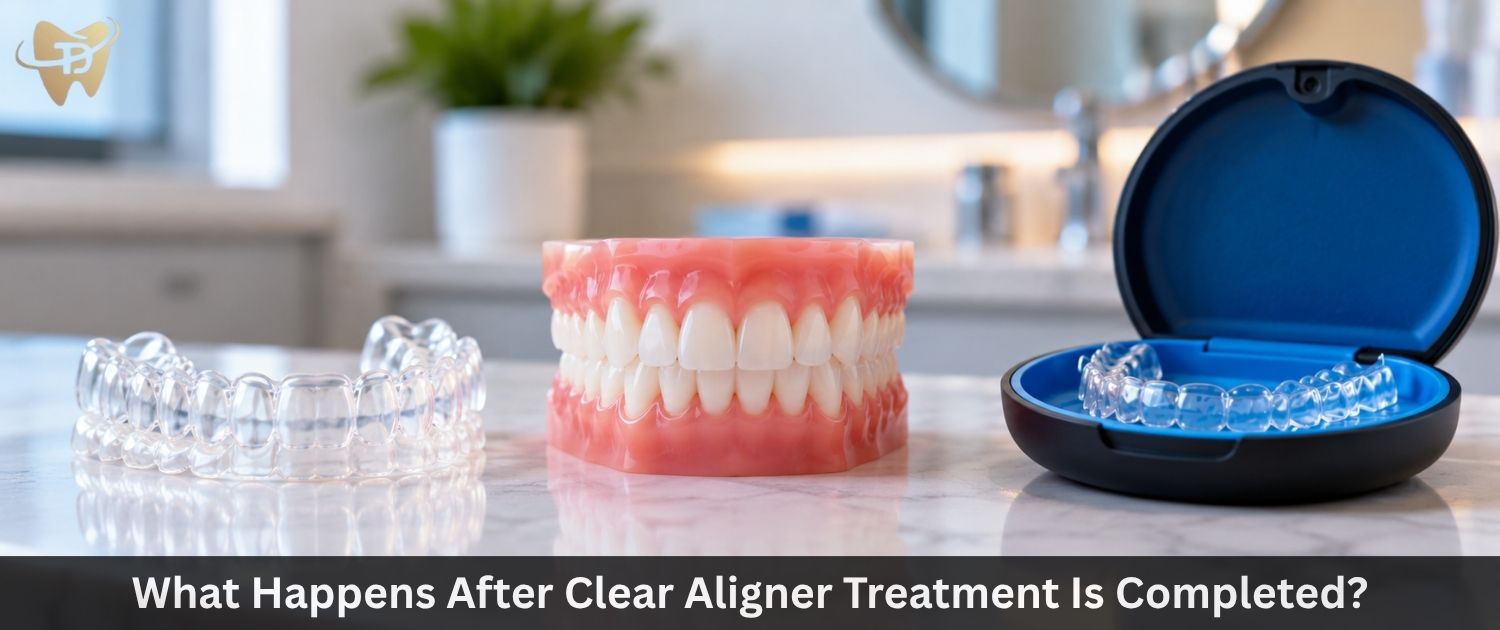
Reaching the last tray feels like crossing the finish line. Yet your teeth still need support. After active teeth straightening your dentist assesses the final bite and tooth positions. Attachments can be removed when appropriate. The next priority becomes keeping the teeth where treatment placed them.
Without retention teeth can gradually shift again. This natural tendency is called orthodontic relapse. A retainer helps protect your new positions while the surrounding tissues adapt. Your dentist will explain how often to wear it based on your individual case and long-term stability needs.
What Is the Retention Phase and Why Is It Important?
Retention protects the work completed during clear aligner treatment. Bone and supporting tissues need time to stabilize after active movement ends. Wearing your retainer as directed reduces unwanted shifting. Long-term retention may also be advised because tooth positions can continue changing naturally throughout life.
How Do Clear Aligners Compare to Traditional Braces?
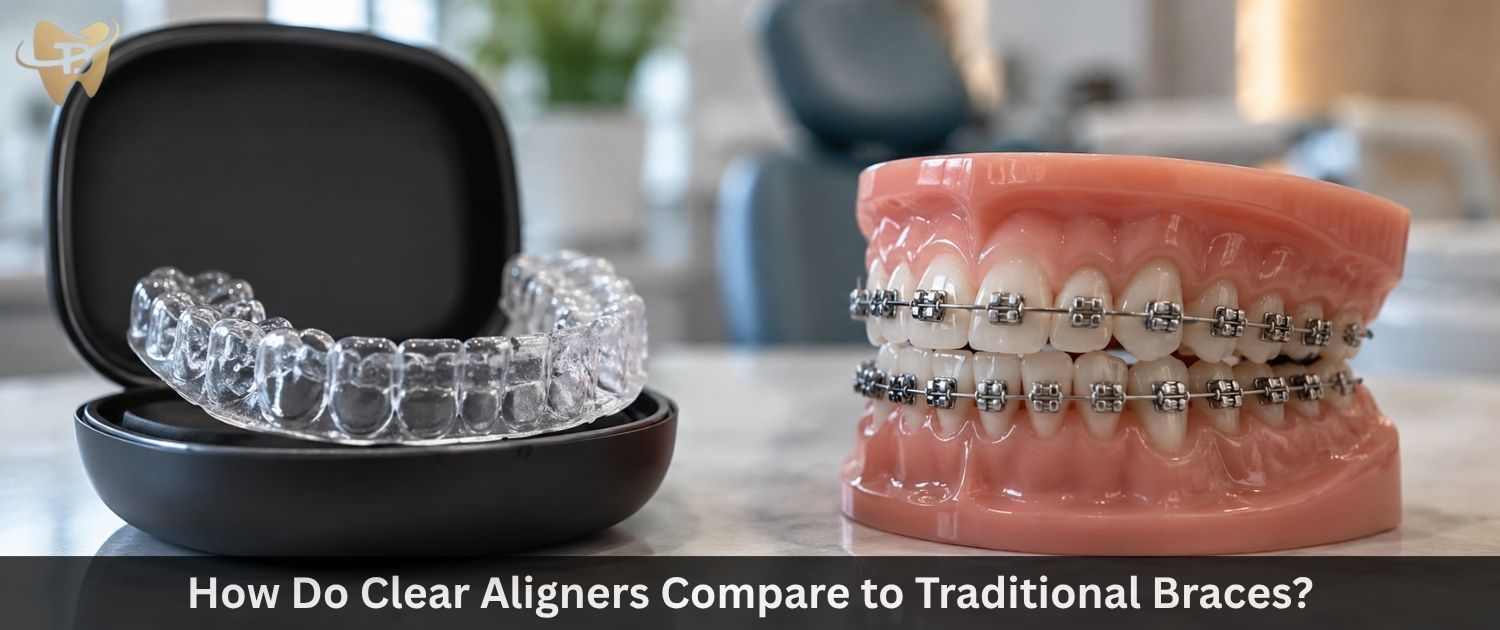
Both approaches can provide effective orthodontic treatment when chosen for the right case. Clear aligners offer removability and a discreet appearance. Traditional braces use fixed brackets and wires and may offer advantages for certain complex movements. Your clinical needs should guide the decision rather than appearance alone.
Feature | Clear Aligners | Traditional Braces |
Visibility | Clear and discreet | More noticeable |
Removal | Removable | Fixed |
Eating | Trays come out for meals | Some foods may require caution |
Cleaning | Normal brushing is easier | Cleaning around hardware takes extra care |
Treatment method | Sequential trays | Brackets and wires |
Patient compliance | Very important | Less dependent on removable tray wear |
Suitability | Many mild to complex cases depending on assessment | Broad range of orthodontic cases |
Conclusion
So how do clear aligners work from beginning to end? They combine digital planning with carefully controlled force and biological tooth movement. Each tray handles another small part of the journey. Regular dental supervision then helps confirm that your teeth are following the intended path.
At The Dentist in DHA Phase 8 Lahore we work with ClearPath Aligners for suitable patients seeking discreet teeth straightening. A proper assessment remains the first step because every smile has different needs. With consistent wear and professional monitoring the clear aligner process can provide a structured route toward better alignment.
FAQ
Yes. Clear aligners can straighten teeth and fix many mild to moderate alignment problems. They work best when you wear them as directed by your dentist or orthodontist.
Dentists may not recommend Invisalign for complex tooth or jaw problems. In some cases traditional braces give the dentist more control and can produce better results.
Teeth can start shifting back within weeks if you do not wear your retainer after Invisalign treatment. Wearing your retainer as advised helps keep your teeth in their new position.
It depends on your dental needs. Clear aligners are removable and less noticeable while braces can be better for more complex orthodontic problems.
Invisalign may cause small changes in your facial appearance as your teeth and bite improve. Major changes to your face are not common from clear aligner treatment alone.