


FAQ
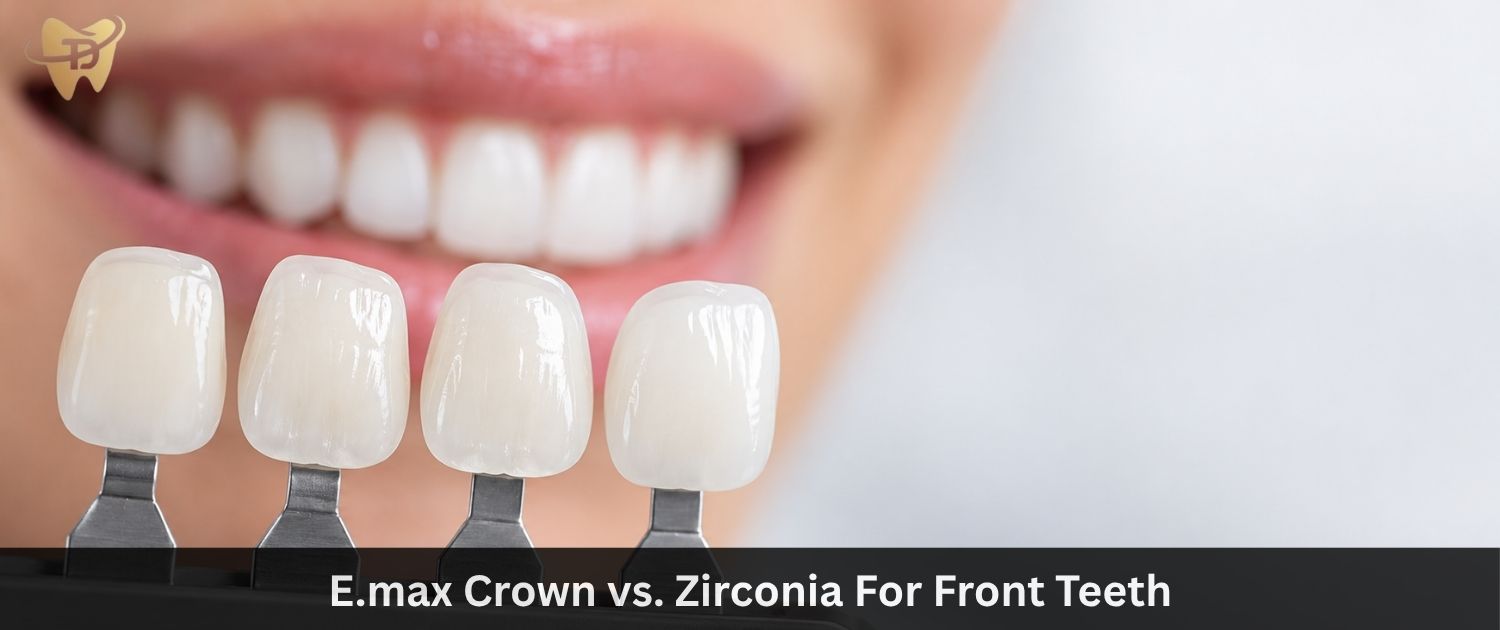
No. E.max is mainly made from lithium disilicate while zirconia is made from zirconium dioxide. E.max usually offers better translucency while zirconia usually offers greater strength.
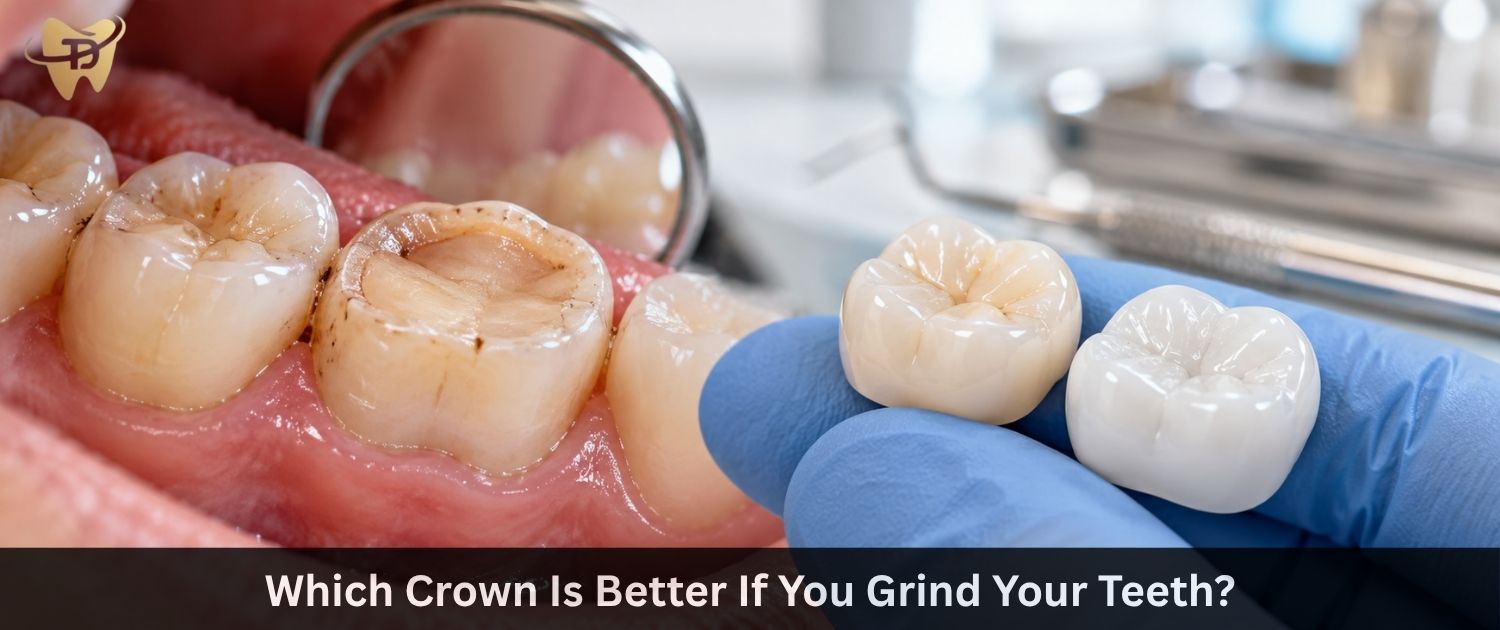
Nothing is better in every case. E.max may be better for highly visible front teeth while zirconia may be better for molars or patients with a strong bite.
Prices vary by clinic and laboratory. E.max can sometimes cost more because of its cosmetic qualities while premium zirconia may cost just as much or more.
The healthiest crown is one that fits well and preserves as much natural tooth as possible. E.max and zirconia are both metal-free options with good biocompatibility.
Premium all-ceramic crowns such as E.max and high-quality zirconia are often among the more expensive options. Cost also depends on the dentist and dental laboratory.
Yes. A dentist can remove a zirconia crown with specialized dental instruments. The crown usually needs to be cut off and may not be reusable afterward.
Depending on the damage you may qualify for a filling, inlay, onlay or veneer. A dentist must first check how much healthy tooth structure remains.
There is no fixed limit. A crown can be replaced again if enough healthy tooth remains and the root and surrounding tissues can still support a new restoration.
Saving a natural tooth is usually preferred when it can be restored successfully. Extraction may be necessary when the tooth is severely fractured, infected or cannot support treatment.