















FAQ
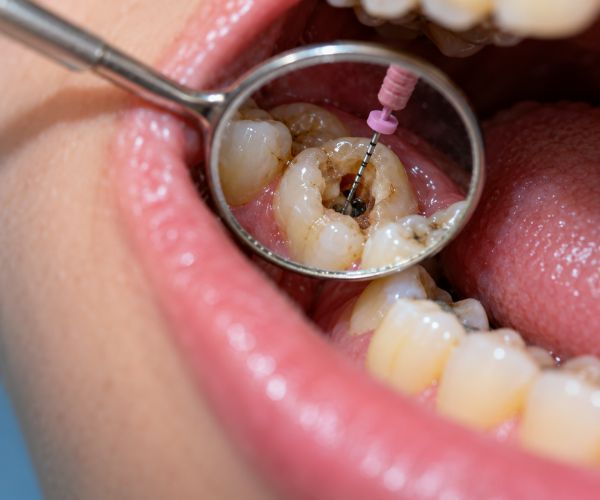
Root canal treatment is a dental procedure that removes the infected nerve from inside a tooth. The dentist then cleans, fills, and seals the tooth to stop the pain and save it from extraction.
Most people return to their normal routine the same day. Mild pain or tenderness usually improves within a few days.
Avoid eating until the numbness wears off. Do not chew hard or sticky foods on the treated tooth until your dentist says it is safe.
A root canal-treated tooth can last for decades or even a lifetime with proper care and a strong final restoration.
A filling repairs tooth decay or damage. A root canal removes infected or damaged pulp from inside the tooth.
No. Antibiotics cannot remove infected pulp. Your dentist must treat the tooth with a root canal or extraction to remove the source of infection.
Back teeth usually need a crown to prevent fractures. Front teeth may only need a filling depending on how much healthy tooth remains.
Yes. A properly treated and restored tooth can last for many years with good oral hygiene and regular dental checkups.
Pain can return because of a new infection or a cracked tooth. Your dentist can examine the tooth to find the cause.
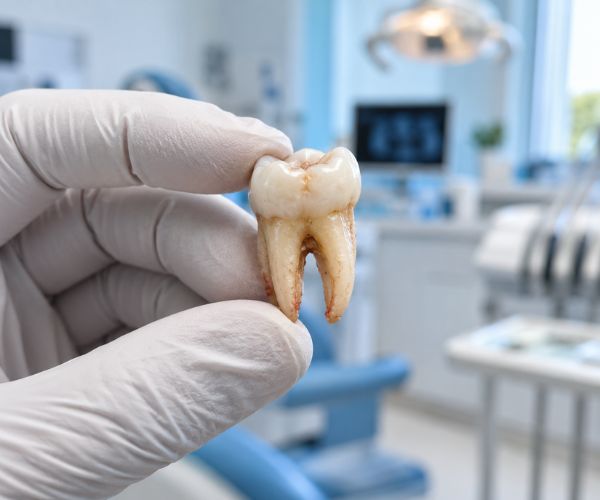
Saving your natural tooth with root canal treatment is usually the better option. Extraction may be necessary if the tooth cannot be repaired.
Tooth swelling with fever or spreading facial swelling needs urgent care. Seek emergency help immediately if you have trouble breathing or swallowing.
Root canal treatment is usually comfortable because your dentist numbs the tooth. You may feel mild soreness for a few days afterward.