
Is Teeth Whitening Treatment Safe for Your Teeth?

A brighter smile can boost your confidence and make your teeth look cleaner. Still many people ask the same question before booking treatment: Is Teeth Whitening Treatment Safe for everyday dental health? In most cases the answer is yes when the procedure is done correctly. Professional care uses controlled whitening agents and protects your gums during treatment.
Your dentist also checks for tooth sensitivity and existing dental problems before starting. This matters because cavities and gum issues can change how your teeth react. When done with proper guidance teeth whitening can improve stains without harming healthy teeth. The safest choice is always a dental checkup before beginning any whitening treatment.
What Is Teeth Whitening Treatment?
Teeth whitening is a cosmetic dental treatment that lightens natural teeth. It targets pigments responsible for tooth stains and tooth discoloration. Coffee can leave dark marks. Tea can dull enamel. Tobacco can create stubborn color changes. Age can also make yellow teeth appear darker over time.
Unlike a professional cleaning dental whitening changes tooth color rather than simply removing plaque. Different whitening products include whitening strips and whitening gels as well as whitening toothpaste. A professional teeth whitening usually offers more controlled treatment because a dental professional supervises the process.
What Types of Tooth Stains Can Whitening Treat?
Surface stains often respond well to stained teeth treatment. Deeper discoloration may need a different approach. Your teeth whitening dentist can inspect the cause before recommending teeth discoloration treatment. This matters because trauma or medication-related staining may respond differently than ordinary food stains.
Is Teeth Whitening Treatment Safe for Your Teeth?
For most adults with healthy teeth and healthy gums the answer is generally yes. Safe teeth whitening depends on proper product strength and exposure time. It also depends on following instructions. Whitening too frequently can increase discomfort instead of producing a healthier looking white smile.
The ADA reports that temporary tooth sensitivity and gingival irritation are common side effects of bleaching. These effects are usually temporary. Higher concentrations can increase sensitivity for some patients. That makes a pre-treatment dental examination useful before beginning a whitening treatment.
Does Teeth Whitening Damage Tooth Enamel?
Concern about enamel damage is understandable. Properly managed whitening aims to change colored molecules rather than grind away tooth enamel. The bigger concern comes from overuse or harsh DIY methods. Frequent aggressive bleaching may affect enamel surfaces. Acidic homemade mixtures can create additional risk.
How Does Professional Teeth Whitening Work?
During professional teeth whitening your dental team first performs a dental assessment. They look for decay and damaged areas. They also review existing dental restorations. After that they protect the gums and carefully apply peroxide-based whitening gels to the natural teeth.
Hydrogen peroxide or carbamide peroxide helps break down colored compounds inside enamel and dentin. In simple terms the teeth whitening procedure breaks large dark pigment molecules into smaller less visible ones. The tooth then looks lighter without needing material removed from its surface.
What Happens During an In-Office Whitening Appointment?
A typical professional whitening treatment begins with a shade check and mouth examination. Your dental team protects the soft tissues before applying the product. Treatment details vary between systems. Your provider may adjust concentration or application time according to your sensitive teeth history and desired whitening results.
How Long Does Professional Teeth Whitening Take?
There is no single timeline for everyone. Mild stained teeth may respond quickly. Deep stains can require more attention. The original shade and stain type also matter. This is why realistic smile whitening focuses on improvement rather than promising one identical shade for every patient.
Can Teeth Whitening Cause Tooth Sensitivity?
Yes. Tooth sensitivity is one of the best-known side effects of teeth bleaching. You may feel a brief sharp sensation after drinking cold water or breathing cold air. Peroxide can temporarily reach sensitive structures within the tooth. The feeling usually improves after treatment finishes.
Existing exposed tooth roots can make discomfort more noticeable. Worn enamel can do the same. If you already have sensitive teeth then tell your dentist first. A dental checkup helps separate ordinary sensitivity from pain caused by decay or another dental problem.
How Can You Reduce Sensitivity After Whitening?
Your provider may change application time or product concentration. Desensitizing toothpaste can also help some patients. Avoid extremely cold drinks for a short period when sensitivity develops. Most importantly follow your provider’s professional dental advice rather than repeating treatment because you want faster results.
Can Teeth Whitening Damage Your Gums?

Whitening material can irritate soft tissue when it sits against the gums. This temporary gum irritation happens more easily when a tray fits poorly or gel spreads beyond the teeth. Professional treatment lowers this risk by allowing careful application and gum protection.
Think of whitening gel like hair color. It works well where it belongs. You do not want it spread everywhere. A trained dental professional controls placement during professional teeth bleaching. This makes supervision especially helpful when stronger products form part of the treatment.
Who Should Avoid Teeth Whitening?
Not every smile should be whitened immediately. People with untreated cavities need evaluation first. The same applies to active gum disease and cracked teeth. Areas of damaged enamel may also require attention. Treating the underlying problem first can make future whitening safer and more comfortable.
People with extensive dental fillings or other restorations also need realistic expectations. Whitening products mainly change natural tooth structure. They do not predictably lighten restorative materials. A careful dental assessment can identify these differences before treatment starts and help prevent uneven color.
Can You Whiten Teeth With Crowns Veneers or Fillings?
Existing crowns and veneers do not respond to bleaching like natural enamel. The same issue can affect tooth-colored fillings. After whitening your natural teeth may become lighter while restorations stay unchanged. Your dentist can plan around this difference when visible restorations affect your smile.
Professional Whitening vs. Over-the-Counter Products

Both professional and home options can lighten teeth. However they work differently. Professional teeth whitening gives your provider direct control over treatment. Store products offer convenience. Common options include whitening strips and whitening toothpaste as well as trays and paint-on products.
The ADA notes that some consumer whitening products carry its Seal of Acceptance after meeting program requirements for safety and effectiveness when used as directed. Still a product cannot diagnose cavities or recession. That is one major advantage of seeing a teeth whitening dentist first.
Whitening option | How it works | Main advantage | Main consideration |
professional whitening treatment | Dentist-supervised peroxide application | Controlled treatment and faster change | May cause temporary sensitivity |
whitening strips | Peroxide strip sits against teeth | Easy home use | Fit may not cover every tooth evenly |
whitening gels | Gel delivers bleaching ingredients | Can lighten natural teeth | Incorrect use may irritate gums |
whitening toothpaste | Mainly removes surface stains | Simple daily option | Does not work like deeper bleaching |
professional teeth bleaching | Clinical bleaching under supervision | Treatment can match your needs | Requires dental evaluation |
Which Teeth Whitening Option Is Safer?
Safety depends on your mouth and how you use the product. An otherwise healthy adult may use an appropriate OTC option correctly. Someone with recession or decay needs more caution. Safe teeth whitening starts with knowing what is happening beneath the visible stain.
How Often Is It Safe to Whiten Your Teeth?

Whitening is not something you should repeat continuously. Your teeth need thoughtful care rather than a race toward the brightest shade. Frequent use can raise the chance of sensitivity and soft-tissue irritation. Excessive bleaching may also affect enamel surfaces over time.
The right schedule depends on your habits and chosen whitening products. Someone who drinks coffee daily may notice new stains sooner. However that does not mean constant bleaching is wise. Good oral hygiene and routine cleaning often help control new surface stains between cosmetic treatments.
Can You Over-Whiten Your Teeth?
Yes. More treatment does not always mean better whitening results. Excessive whitening may cause repeated sensitivity or irritation. If teeth already look bright then further bleaching can offer little cosmetic gain while increasing unnecessary exposure to whitening ingredients.
How to Keep Your Teeth White After Treatment
Good aftercare can help preserve your brighter smile. Brush twice daily and clean between your teeth every day. Rinsing with water after coffee or tea can also reduce how long pigments remain against enamel. Regular professional cleaning supports both color and overall oral health.
Your everyday habits often matter more than complicated tricks. Limit tobacco and avoid constant sipping of dark drinks throughout the day. Consistent oral hygiene protects your smile far better than aggressive home remedies. Your goal should be a clean natural appearance rather than unnatural whiteness.
What Foods and Drinks Can Stain Teeth Again?
Coffee tea red wine cola berries and dark sauces can contribute to new staining. You do not need to fear every colored food. Instead reduce prolonged contact. Water after meals can help wash away pigments before they settle on the tooth surface.
How Long Do Teeth Whitening Results Last?
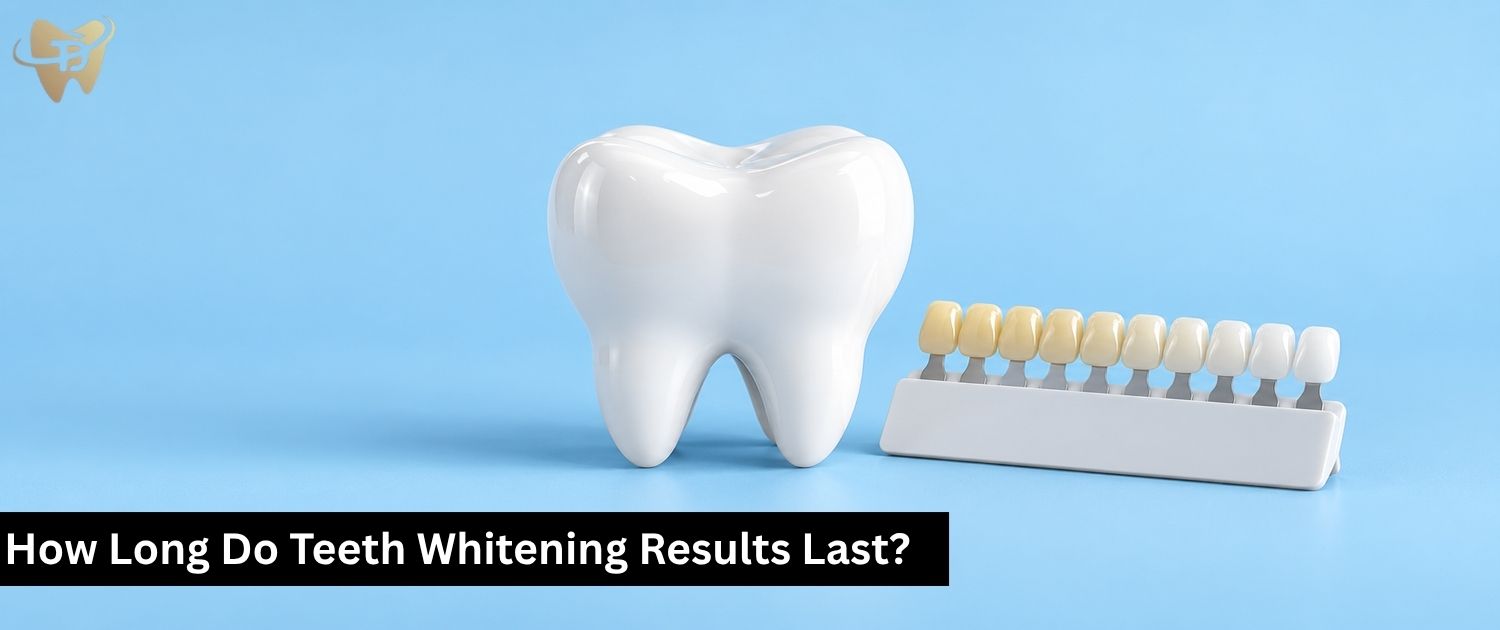
No whitening treatment lasts forever. Teeth naturally pick up new pigments over time. Aging also changes how teeth look. Your diet and tobacco use can influence how quickly color returns. Strong oral hygiene and routine professional care can help results stay attractive longer.
You may eventually need a touch-up. However timing differs from person to person. A dentist can judge whether new staining needs whitening or simply professional cleaning. That distinction can prevent unnecessary treatment and protect your dental health.
A Simple Teeth Whitening Safety Comparison
Understanding teeth whitening treatment safety becomes easier when you compare common situations. The table below shows why the same treatment may suit one person but require extra care for another.
Dental situation | Whitening consideration | Best next step |
healthy teeth with surface stains | Usually a good whitening candidate | Discuss desired shade |
Mild tooth sensitivity | Whitening may still be possible | Adjust strength or exposure |
untreated cavities | Bleaching may increase discomfort | Treat decay first |
Active gum disease | Cosmetic whitening should wait | Restore gum health first |
Visible crowns or veneers | Restorations may not change color | Plan the final shade carefully |
exposed tooth roots | Sensitivity risk may be higher | Get a professional evaluation |
Is Teeth Whitening Treatment Safe for Your Teeth When Done Professionally?
When performed for the right patient a supervised approach offers several safeguards. A clinical dental examination can identify hidden concerns before professional teeth whitening begins. Your dentist can also protect the gums and choose an approach based on your existing sensitivity.
That is why Is Teeth Whitening Treatment Safe for Your Teeth? cannot be answered by looking only at the whitening product. Your whole mouth matters. Healthy gums and sound teeth create a better starting point for effective dental whitening.
A good whitening plan does not chase the brightest possible shade. It aims for a natural smile while respecting the health of your teeth and gums.
Why Choose The Dentist for Teeth Whitening?
If you are considering teeth whitening services in DHA Phase Lahore then The Dentist can assess your smile before cosmetic treatment begins. A proper examination helps identify staining as well as decay or gum concerns that may influence your treatment plan.
At The Dentist your cosmetic dentistry plan can focus on natural-looking improvement and appropriate care. Instead of guessing with random products you can discuss your goals with a dental professional. This approach can make smile whitening more predictable while protecting your dental health.
Teeth Whitening Dentist in DHA Phase Lahore
Choosing a teeth whitening dentist in DHA Lahore gives you access to personalised guidance before and after treatment. Your provider can examine your teeth and discuss whether professional teeth bleaching or another cosmetic dental treatment better matches the cause of your discoloration.
Conclution
So Is Teeth Whitening Treatment Safe for Your Teeth? For most suitable patients it can be safe when products are used correctly and dental problems are addressed first. Temporary sensitivity and gum irritation can occur. However careful evaluation and proper application reduce avoidable risks.
If you want a white smile without guessing which method suits you then consider a consultation with The Dentist in DHA Phase Lahore. Professional guidance can help you choose appropriate teeth whitening services while keeping the focus where it belongs: attractive whitening results and lasting oral health.
FAQ
Yes. Dentists often recommend professional teeth whitening for people with healthy teeth and gums. They usually check your mouth first to make sure whitening is suitable for you.
Whitening results fade slowly over time. Your teeth may become darker again because of food drinks or smoking. Good oral care can help the results last longer.
Yes. Professional teeth whitening is generally safe when done by a qualified dentist. Some people may feel temporary sensitivity after treatment.
The safest option is to speak with a dentist before starting any teeth whitening treatment. Professional whitening and dentist-approved products are usually better choices than strong home remedies.
Yes. Teeth can slowly become yellow again over time. Coffee tea tobacco and some foods can cause new stains after whitening.
Yes. Many cases of yellow teeth respond well to whitening treatment. The final result depends on the cause of the discoloration and your natural tooth shade.