
What Causes Bad Breath Even After Brushing?
You brush your teeth in the morning and expect your mouth to stay fresh for hours. However the bad smell may return much sooner than expected. This can feel confusing when you already follow a regular brushing routine. The truth is that brushing does not clean every part of your mouth. Tongue bacteria can remain on the back of your tongue. Food can also stay trapped between teeth and around the gums.
Another common reason is dry mouth because saliva helps wash away bacteria and food debris. In some cases gum disease cavities or dental infections may be the real cause. If you often wonder what causes bad breath even after brushing you may need to look beyond your toothbrush. Finding the exact reason can help you choose the right bad breath treatment and improve your overall oral hygiene for fresher breath.
What Causes Bad Breath Even After Brushing?
Brushing removes plaque and debris from exposed tooth surfaces. However your toothbrush does not reach every place where bacteria live. The tongue. spaces between teeth. gum pockets. cavities. dental appliances. and infected areas may still contain odor-producing bacteria after brushing.
Understanding the Causes of bad breath helps you choose the right solution. Bad breath even after brushing teeth may come from poor cleaning technique. Yet it can also signal an oral condition that needs professional attention. Persistent odor deserves more than another mint or another layer of toothpaste.
1. Bacteria on the Tongue
Your tongue has tiny grooves that give bacteria somewhere to settle. These organisms break down proteins and can release strong-smelling compounds. This explains why Bad breath from the tongue may remain after your teeth feel perfectly clean. A Tongue scraper can help remove the coating more effectively.
2. Food Trapped Between Your Teeth
A toothbrush cleans broad surfaces well. Tight gaps are another story. Small Food particles can stay trapped between neighboring teeth and around dental work. Bacteria then feed on this debris. Daily Flossing or another form of Interdental cleaning removes material that brushing often leaves behind.
3. Gum Disease
When Plaque buildup stays near the gumline it can inflame the gums. Over time deeper spaces may form around the teeth. These pockets hold bacteria that produce odor. Bad breath caused by gum disease may appear alongside Bleeding gums. tenderness. gum recession. or Swollen gums.
4. Dry Mouth
Saliva works like a natural cleaning system. It washes debris away and helps control germs. When Saliva production drops the mouth loses some of that protection. Bad breath due to dry mouth may become stronger after sleeping. dehydration. mouth breathing. tobacco use. or certain medicines.
5. Cavities and Tooth Decay
A cavity creates a damaged area where bacteria and food can collect. As Tooth decay progresses the affected tooth may become harder to keep clean. Bad breath from cavities may occur with Tooth sensitivity. pain. or an unpleasant taste. Tooth cavities need proper Dental treatment rather than repeated mouth rinsing.
6. Dental Infections
An infected tooth can create far more than discomfort. Bacteria may spread into the inner tooth or surrounding tissue and form an abscess. Bad breath and tooth infection can occur together with swelling. throbbing pain. pus. fever. or a foul taste. These symptoms deserve prompt Dental care.
7. Can Stomach Problems Cause Bad Breath?
Digestive problems can sometimes affect breath. Yet they are not the first explanation for most cases. Acid reflux may push stomach contents upward. People with GERD can experience a sour taste and unpleasant breath. However a dental cause should usually be checked before blaming the stomach.
8. Certain Foods and Drinks
Garlic. onions. spices. coffee. and alcohol can change your breath. Some compounds from foods enter your bloodstream after digestion and eventually reach your lungs. This means brushing cannot instantly remove every odor. Coffee and alcohol may also worsen Dry mouth in some people which can intensify the smell.
9. Tobacco Use and Smoking
Smoking creates its own strong odor. Tobacco can also irritate gum tissue and increase the risk of periodontal problems. When gum disease develops the smell may persist despite brushing. Smoking can also dry the mouth. That combination makes long-lasting Persistent bad breath more likely.
10. Incomplete Oral Hygiene
Good Oral hygiene involves more than moving a toothbrush across your teeth. You also need to clean between teeth. around the gumline. and across the tongue. Braces. retainers. dentures. and mouth guards can collect Bacteria buildup when they are not cleaned correctly.
Possible Source | Why Breath May Smell | What Usually Helps |
Tongue coating | Bacteria remain on the tongue | Gentle tongue cleaning |
Food between teeth | Debris feeds bacteria | Floss or interdental cleaning |
Gum problems | Bacteria collect below the gums | Dental evaluation and cleaning |
Dry mouth | Less saliva washes the mouth | Hydration and treating the cause |
Cavities | Bacteria collect in damaged tooth areas | Restorative dental care |
Tooth infection | Infected tissue creates odor | Prompt professional treatment |
Reflux | Stomach contents may reach the throat | Medical assessment when appropriate |
Poor appliance cleaning | Bacteria collect on retainers or dentures | Daily appliance cleaning |
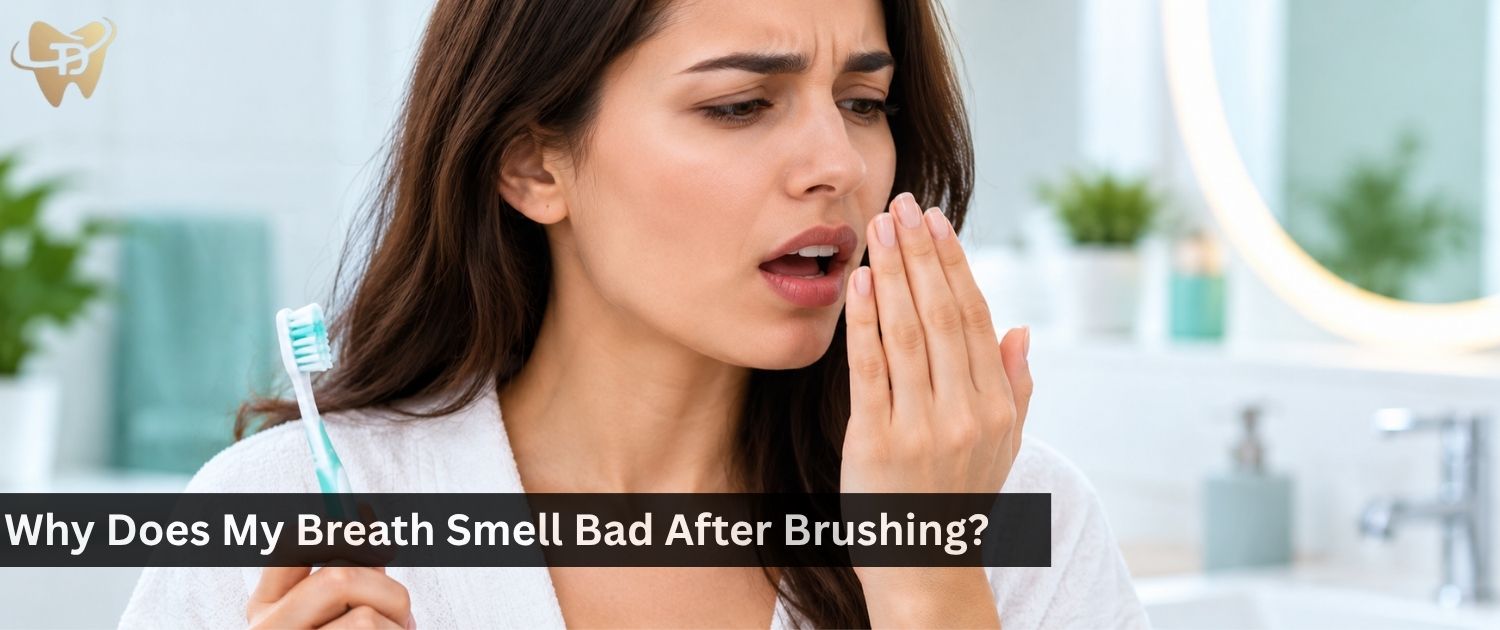
Why Does My Breath Smell Bad After Brushing?
People often ask Why does my breath smell bad after brushing because they assume toothpaste should remove every source of odor. In reality brushing reaches only part of your mouth. Bacteria may still sit behind the tongue. between your teeth. below your gums. or inside damaged tooth structure.
Even Bad breath after brushing and flossing can happen when an underlying condition remains untreated. Tonsil stones may occasionally contribute. Gum pockets may hold bacteria. Dry mouth may allow odor to return quickly. A cavity or infection may also continue producing smell regardless of how often you brush.
How is Bad Breath Treated?
Bad breath treatment depends on the source. Better cleaning may solve simple plaque-related odor. Gum disease might need Professional dental cleaning or periodontal care. Cavities require restoration. Infections need appropriate treatment. A Dental examination helps identify the correct Treatment for persistent bad breath instead of simply masking symptoms.
Cause | Common Treatment Approach |
Tongue coating | Tongue cleaning and improved daily hygiene |
Gingivitis | Improved home care and professional cleaning |
Periodontitis | Periodontal treatment based on severity |
Cavity | Filling or another suitable restoration |
Tooth infection | Treatment based on the infected tooth |
Persistent dry mouth | Find the cause and improve moisture control |
Faulty dental work | Repair or replacement when needed |
Possible medical cause | Referral to a suitable healthcare professional |
Knowing How to treat halitosis starts with finding the source. There is no single treatment that works for every person.
How Can You Prevent Bad Breath?
Prevention works best when you think beyond toothpaste. A clean mouth needs healthy gums. clean tooth surfaces. clean spaces between teeth. a cleaner tongue. and enough saliva. These habits reduce the conditions that allow odor-producing bacteria to grow.
Learning How to prevent bad breath also means noticing changes early. Frequent bleeding. tooth sensitivity. dry mouth. or a constant unpleasant taste should not become your new normal. Protecting your Oral health can help prevent small problems from turning into larger ones.
- Brush Your Teeth Twice a Day
Brush carefully twice each day using fluoride toothpaste. Give attention to every surface and the gumline. More pressure does not mean better cleaning. Gentle and thorough brushing works better than aggressive scrubbing. Good technique supports everyday Dental care and can reduce Plaque buildup over time. - Floss or Clean Between Your Teeth
Cleaning between teeth matters because ordinary toothbrush bristles cannot fully enter narrow gaps. Daily Flossing removes hidden plaque and leftover food before bacteria can feed on it. People with larger spaces may benefit from another Interdental cleaning method recommended by their dentist. - Clean Your Tongue
Knowing How to clean your tongue properly can make a real difference. Move a scraper or toothbrush gently from the back toward the front. Do not press hard enough to hurt the tissue. Removing excess Tongue bacteria can reduce one of the most common oral sources of odor. - Drink Enough Water
Water helps keep the mouth comfortable and supports saliva’s natural cleaning role. This is especially useful after waking or drinking coffee. People with ongoing Dry mouth should not assume water alone will solve it. Some medicines and health conditions reduce saliva and may require professional advice. - Limit Tobacco Use
Tobacco can directly worsen breath while increasing your risk of gum problems. It can also make the mouth feel drier. Reducing or stopping tobacco supports healthier gums and cleaner breath. Sugar-free gum and water may help temporarily while you work on longer-term changes. - Visit Your Dentist Regularly
A routine Dental checkup can uncover problems that you cannot see at home. Your dentist can look for gum disease. decay. failing restorations. infections. and other Dental problems that cause bad breath. Early care is usually simpler than waiting until pain or swelling develops.
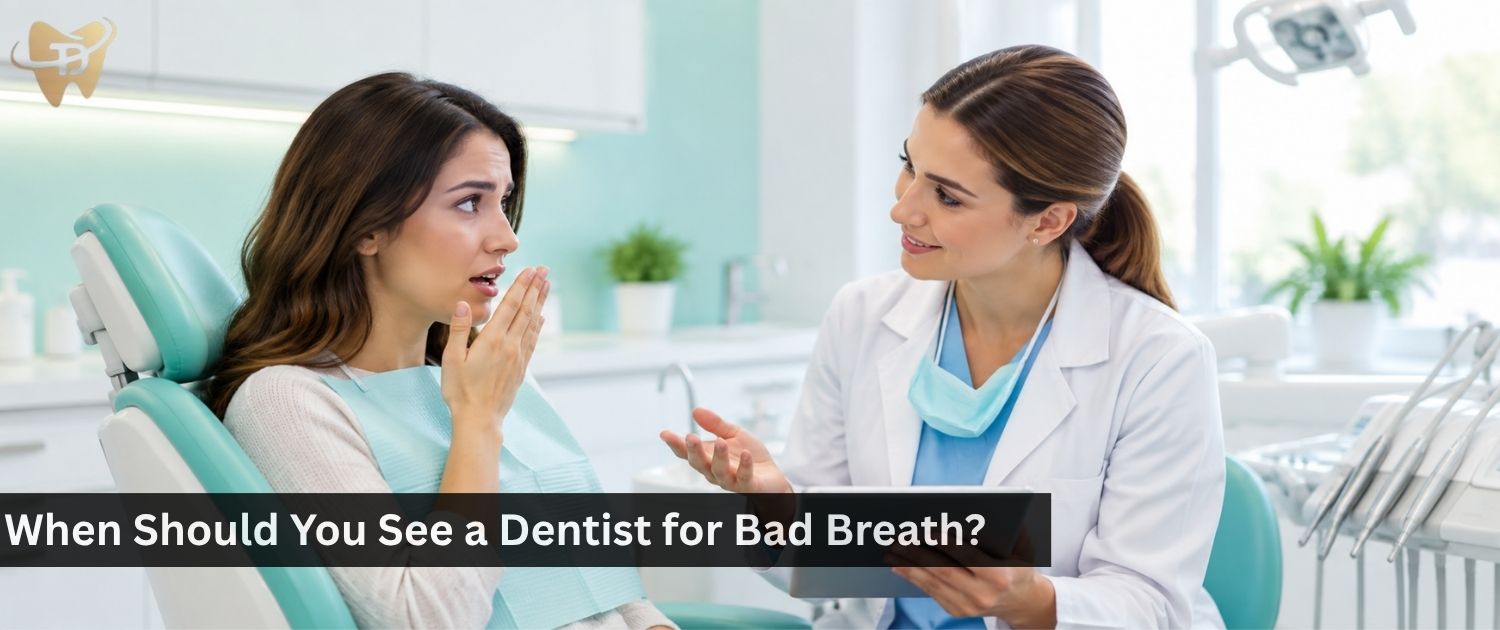
When Should You See a Dentist for Bad Breath?
Occasional odor after garlic or morning coffee is usually temporary. The concern grows when Persistent bad breath continues despite careful brushing. tongue cleaning. flossing. and hydration. If you keep asking what causes bad breath even after brushing? a dentist can examine areas you cannot properly assess yourself.
Pay closer attention when odor occurs with pain. swelling. loose teeth. Bad breath and bleeding gums. strong sensitivity. pus. or a constant unpleasant taste. Search phrases such as Bad breath and tooth dec often reflect the connection people notice between odor and dental decay. Persistent symptoms deserve a proper examination.
A simple example makes this easier to understand. Imagine someone who brushes three times every day yet notices a bad taste near one back tooth. Stronger toothpaste changes nothing. A dentist finds decay beneath an old filling. Treating the tooth addresses the source while mouthwash only hid it.
This is why Professional treatment for bad breath becomes important when home care fails. A dentist can investigate your gums. tongue. teeth. restorations. and dental appliances before deciding whether another healthcare professional should look for a non-dental cause.
Can Mouthwash Cure Bad Breath?
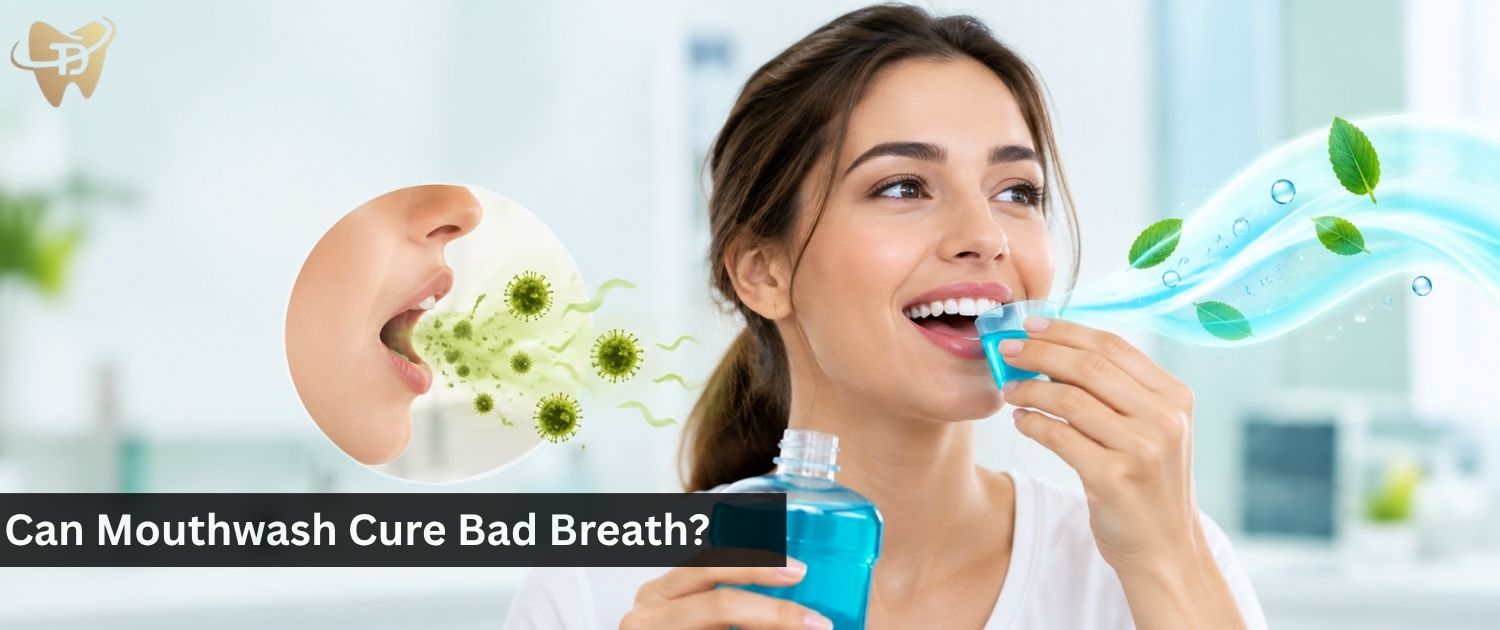
Mouthwash can freshen your mouth and some therapeutic rinses can reduce certain oral bacteria. However it cannot fill a cavity. eliminate a deep gum pocket. or cure an abscess. Think of mouthwash as support rather than the best way to remove bad breath when an underlying dental problem exists.
Simple Daily Habits for Fresher Breath
If you want to know How to keep your breath fresh focus on consistency. Brush well. clean between your teeth. clean your tongue. drink enough water. keep oral appliances clean. and attend routine dental visits. These habits work better than constantly covering odor with mints.
Many people also search for Home remedies for bad breath and Natural ways to improve bad breath. Water and sugar-free gum may help a dry mouth. Gentle tongue cleaning can reduce surface bacteria. Yet natural remedies cannot repair decay. treat advanced gum disease. or remove an infected tooth.
NIDCR explains that saliva helps wash food away and contains minerals that support healthy teeth. A persistent lack of saliva can raise the risk of cavities and oral infections. This is one reason unexplained dry mouth deserves attention rather than being treated as a minor inconvenience.
Final Thoughts
Understanding what causes bad breath even after brushing means looking beyond the toothbrush. The source may be Bad breath from the tongue. trapped debris. Gum disease. dry mouth. Tooth decay. or Dental infections. In some cases reflux or another medical issue may contribute.
If you experience Bad breath even after brushing teeth for several days despite good Oral hygiene do not keep hiding it with gum or rinses. A professional examination can help uncover the actual cause and guide the right care.
If you are looking for dental evaluation in DHA Phase 8 Lahore. The Dentist can assess common oral causes of persistent breath odor including gum problems. cavities. plaque. dry mouth. and dental infections. Finding the cause early can protect more than fresh breath. It can protect your long-term oral health too.
FAQ
Brush twice a day. Clean your tongue. Floss daily. Drink enough water. If the smell keeps coming back then see a dentist to check for gum disease cavities or infection.
Stomach related bad breath may come with acid reflux heartburn or a sour taste. Most bad breath starts in the mouth so dental causes should be checked first.
You may still have tongue bacteria dry mouth gum disease cavities tonsil stones or a hidden dental infection. Good brushing alone does not always remove the real cause.
The best cure is to find and treat the cause. Dental cleaning gum treatment cavity repair tongue cleaning or dry mouth care may be needed depending on the problem.
Water is the best simple choice because it washes away food debris and helps prevent dry mouth. It does not cure a dental problem but it can reduce odor for a short time.
You do not need a gut cleanse for most bad breath. Focus on oral hygiene first and speak with a doctor if you also have reflux stomach pain or digestive symptoms.
Yes. Many cases improve permanently once the real cause is treated. The result lasts best when you maintain good oral hygiene and regular dental checkups.